
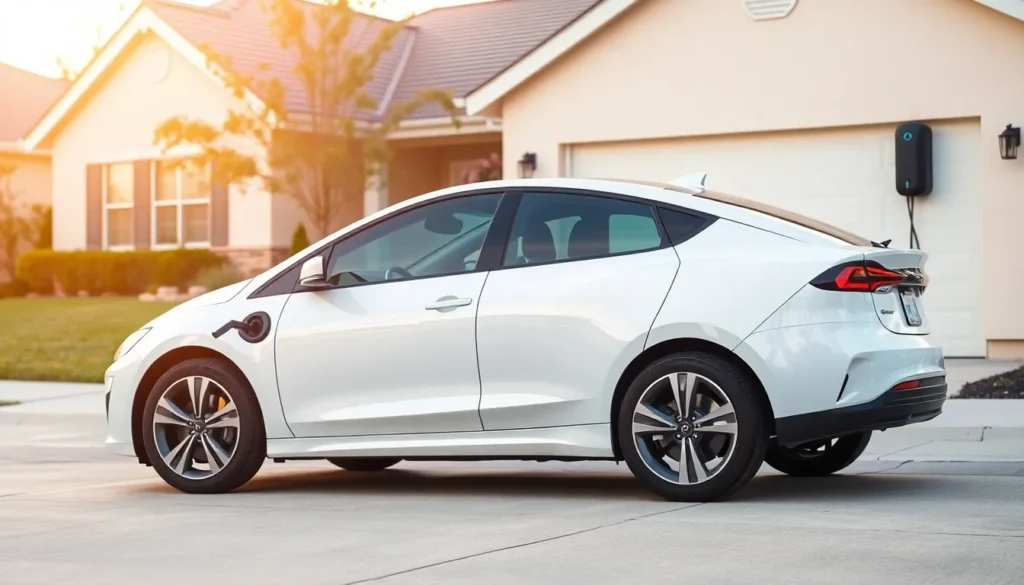

Electric vehicles have moved from niche curiosity to mainstream reality. Sales of electric vehicles hit record numbers in 2024, and drivers everywhere are asking one simple question: how do electric vehicles actually work, and should I get one?
This guide breaks down everything a beginner needs to know. It covers the basics of EV technology, the different types available, charging options, and what factors matter most before buying. Whether someone is just curious or ready to make the switch, this article provides the essential information to get started.
Table of Contents
ToggleKey Takeaways
- Electric vehicles use battery packs and electric motors with far fewer moving parts than gas cars, resulting in lower maintenance costs.
- Battery electric vehicles (BEVs) offer 200–400 miles of range, while plug-in hybrids (PHEVs) provide flexibility with both electric and gas power.
- Level 2 home charging is the most practical option for daily use, adding 15–30 miles of range per hour.
- Charging an electric vehicle at home costs roughly $0.04 per mile compared to $0.10–$0.15 per mile for gasoline vehicles.
- Federal tax credits up to $7,500 and lower operating costs can offset the higher upfront price of electric vehicles.
- Before buying an EV, assess your daily driving range, charging access, and battery warranty coverage to ensure it fits your lifestyle.
What Are Electric Vehicles and How Do They Work
Electric vehicles use electricity instead of gasoline to power their motors. The concept is straightforward: a battery pack stores energy, and that energy drives one or more electric motors connected to the wheels.
The core components of an electric vehicle include:
- Battery pack: Stores electrical energy, typically using lithium-ion cells
- Electric motor: Converts electrical energy into motion
- Inverter: Changes direct current (DC) from the battery to alternating current (AC) for the motor
- Onboard charger: Manages the flow of electricity when plugged in
- Regenerative braking system: Captures energy during braking and sends it back to the battery
When a driver presses the accelerator, the battery sends power through the inverter to the motor. The motor spins and turns the wheels. It’s a much simpler system than a traditional combustion engine, which has hundreds of moving parts. Electric vehicles typically have around 20 moving parts in their drivetrain compared to about 2,000 in a gas car.
This simplicity offers real benefits. Electric vehicles require less maintenance since there’s no oil to change, no spark plugs to replace, and fewer components that wear out. The instant torque from electric motors also delivers quick acceleration that many drivers find enjoyable.
Types of Electric Vehicles Available Today
Not all electric vehicles work the same way. The market offers several types, each with different characteristics.
Battery Electric Vehicles (BEVs)
Battery electric vehicles run entirely on electricity. They have no gasoline engine and produce zero direct emissions. Popular examples include the Tesla Model 3, Chevrolet Bolt, and Ford Mustang Mach-E.
BEVs typically offer ranges between 200 and 350 miles per charge, though some premium models exceed 400 miles. They work best for drivers who can charge at home and rarely need to drive long distances in a single day.
Plug-in Hybrid Electric Vehicles (PHEVs)
Plug-in hybrids combine a battery with a traditional gasoline engine. They can travel 20 to 50 miles on electric power alone before the gas engine kicks in. The Toyota Prius Prime and Jeep Wrangler 4xe fall into this category.
PHEVs offer flexibility. Drivers can run errands on pure electric power but still take road trips without worrying about charging infrastructure. They serve as a good transition option for those not ready to go fully electric.
Hybrid Electric Vehicles (HEVs)
Standard hybrids use both a gasoline engine and an electric motor, but they can’t be plugged in. The battery charges through regenerative braking and the gas engine. The Toyota Camry Hybrid and Honda Accord Hybrid are common examples.
These vehicles improve fuel efficiency but don’t qualify as true electric vehicles since they still depend on gasoline as their primary fuel source.
How to Charge an Electric Vehicle
Charging an electric vehicle differs from filling a gas tank, but it’s not complicated once drivers understand the options.
Level 1 Charging
Level 1 uses a standard 120-volt household outlet. It adds about 3 to 5 miles of range per hour of charging. This works for plug-in hybrids or drivers who cover short distances daily. For most battery electric vehicles, Level 1 is too slow for practical use.
Level 2 Charging
Level 2 requires a 240-volt outlet, similar to what powers a clothes dryer. It adds 15 to 30 miles of range per hour. Most EV owners install a Level 2 charger at home, which costs between $500 and $2,000 including installation.
Public Level 2 chargers appear in parking garages, shopping centers, and workplaces. They’re ideal for topping off while running errands.
DC Fast Charging
DC fast chargers deliver the quickest charge. They can add 100 to 200 miles of range in 20 to 30 minutes. These chargers appear along highways and at dedicated charging stations from networks like Electrify America and Tesla Superchargers.
Fast charging costs more than home charging and can degrade battery life slightly if used exclusively. Most experts recommend using DC fast charging for road trips rather than daily charging.
Charging Costs
The cost to charge an electric vehicle depends on local electricity rates. On average, charging at home costs about $0.04 per mile, compared to $0.10 to $0.15 per mile for gasoline vehicles. That adds up to significant savings over time.
Key Factors to Consider Before Buying an EV
Buying an electric vehicle requires different considerations than buying a gas car. Here’s what matters most.
Range Needs
Drivers should calculate their typical daily mileage. Most Americans drive fewer than 40 miles per day, which any modern electric vehicle can handle easily. But those who frequently drive 200+ miles in a day need to plan charging stops or choose a longer-range model.
Charging Access
Home charging makes EV ownership much easier. Apartment dwellers or those without a garage should research workplace charging or nearby public stations before buying. Without reliable charging access, an electric vehicle can become frustrating.
Purchase Price vs. Total Cost
Electric vehicles often cost more upfront than comparable gas cars. But, federal tax credits up to $7,500 and state incentives can reduce the price. Lower fuel and maintenance costs also offset the initial investment over time.
A 2024 study found that electric vehicles cost about $600 less per year to operate than gas vehicles when factoring in fuel, maintenance, and repairs.
Battery Warranty
Federal law requires manufacturers to warranty EV batteries for at least 8 years or 100,000 miles. Many offer longer coverage. Understanding the warranty terms provides peace of mind about long-term reliability.
Resale Value
Electric vehicles historically depreciated faster than gas cars, though this gap is narrowing as demand grows. Buyers should consider how long they plan to keep the vehicle and research resale trends for specific models.