
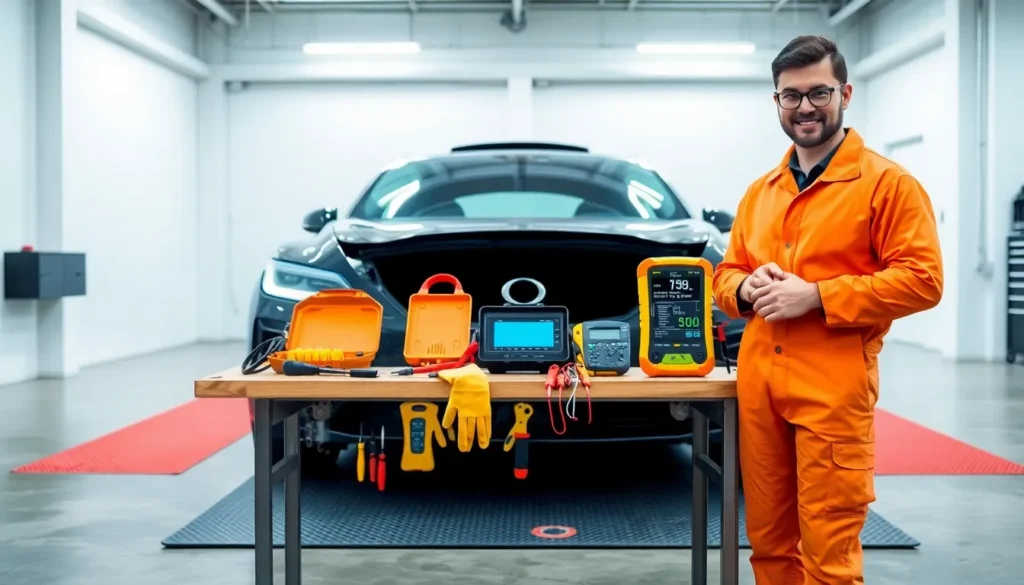

Electric vehicles tools are essential for anyone who works on EVs or owns one. These specialized instruments differ from traditional automotive tools because electric vehicles operate on high-voltage systems. A standard wrench or multimeter won’t cut it when you’re dealing with battery packs that can deliver 400 volts or more.
Whether you’re a professional technician or a DIY enthusiast, having the right electric vehicles tools keeps you safe and makes repairs more efficient. This guide covers the must-have equipment for EV maintenance, from insulated hand tools to advanced diagnostic devices. You’ll learn what to look for, why each tool matters, and how to build a complete EV tool kit.
Table of Contents
ToggleKey Takeaways
- Electric vehicles tools must be rated for high-voltage systems (200–800 volts) to ensure safety and prevent arc flash or electric shock.
- Insulated hand tools meeting the IEC 60900 standard are essential for any EV work, including screwdrivers, wrenches, pliers, and torque wrenches.
- EV-specific diagnostic scanners read battery cell voltages and motor controller data that generic OBD-II tools cannot access.
- Personal protective equipment like Class 0 electrical gloves, safety glasses, and insulated floor mats are mandatory when working near EV battery packs.
- A basic electric vehicles tools kit for home mechanics costs $200–$500, while professional-grade setups range from $3,000 to $10,000.
- Choose reputable brands like Wiha, Knipex, and Autel to ensure tool integrity—cheap insulated tools can crack and expose dangerous conductive metal.
Why Electric Vehicles Require Specialized Tools
Electric vehicles present unique challenges that standard automotive tools can’t address. The primary difference is voltage. A conventional car runs on a 12-volt system. An EV’s battery pack typically operates between 200 and 800 volts. This high-voltage environment demands electric vehicles tools with specific safety ratings.
Conventional metal tools conduct electricity. If a technician uses a regular socket wrench near an EV battery, they risk electric shock or arc flash. Arc flash occurs when electrical current jumps through air between conductors. It can cause severe burns and equipment damage.
EV components also require precise handling. Battery cells, inverters, and electric motors are sensitive to contamination and improper torque settings. Using the wrong tools can void warranties or cause permanent damage to expensive parts.
Another factor is diagnostics. EVs rely on complex software systems that communicate through specific protocols. Generic OBD-II scanners often can’t read EV-specific data like battery cell voltages, thermal management status, or motor controller errors. Dedicated electric vehicles tools bridge this gap.
The bottom line: working on EVs without proper tools isn’t just ineffective, it’s dangerous. Investing in the right equipment protects both the technician and the vehicle.
Must-Have Tools for EV Maintenance and Repair
A complete set of electric vehicles tools covers two main categories: insulated hand tools and diagnostic equipment. Each serves a distinct purpose in EV work.
Insulated Hand Tools
Insulated hand tools are the foundation of any EV toolkit. These tools feature non-conductive coatings that prevent electrical current from reaching the user. Look for tools rated to IEC 60900, the international standard for insulated equipment used on live electrical systems up to 1000 volts AC.
Key insulated tools include:
- Screwdrivers: Phillips and flathead in multiple sizes
- Wrenches: Combination wrenches and adjustable wrenches
- Pliers: Needle-nose, lineman’s, and diagonal cutting pliers
- Socket sets: Complete metric sets with insulated ratchets
- Torque wrenches: For precise fastener tightening on battery connections
Quality matters here. Cheap insulated tools may have coatings that crack or peel, exposing conductive metal underneath. Reputable brands test their tools to twice the rated voltage before sale.
Diagnostic Equipment
Diagnostic tools help technicians understand what’s happening inside an EV’s systems. These electric vehicles tools read data from the car’s computers and identify problems.
Essential diagnostic equipment includes:
- EV-specific scan tools: These devices communicate with EV battery management systems, motor controllers, and charging systems. They display cell-level battery data that generic scanners miss.
- Digital multimeters: High-voltage rated multimeters (CAT III or CAT IV) safely measure voltage, current, and resistance in EV circuits.
- Insulation resistance testers: These check whether high-voltage cables and components have intact insulation.
- Thermal imaging cameras: Battery packs can develop hot spots that indicate failing cells. Thermal cameras detect these issues before they become serious.
Some manufacturers require proprietary diagnostic software to access all vehicle data. Tesla, for example, offers Toolbox software for authorized service centers. Third-party options like Autel MaxiSys and Launch X-431 provide broad EV coverage for independent shops.
Safety Gear for Working on EVs
Electric vehicles tools extend beyond wrenches and scanners. Personal protective equipment (PPE) is equally critical when working on high-voltage systems.
Class 0 electrical gloves rated for 1000 volts are mandatory for any work near EV battery packs. These gloves should be tested every six months for integrity. Leather protector gloves worn over the rubber insulating gloves prevent punctures and cuts.
Safety glasses with side shields protect eyes from potential arc flash. Face shields provide additional protection during high-risk procedures like battery disconnect operations.
Insulated floor mats create a non-conductive surface in the work area. They reduce the risk of ground faults when working on lifted vehicles or exposed battery systems.
High-visibility voltage detectors help confirm that systems are de-energized before work begins. Never assume a disconnected EV is safe, capacitors can hold dangerous charges for extended periods.
Fire extinguishers rated for electrical fires (Class C in the US) should be within reach. Lithium-ion battery fires require specific suppression techniques, so technicians should also have access to fire blankets or specialized battery fire kits.
Proper PPE isn’t optional. Many shops now require documented safety training before technicians can work on EVs.
Choosing the Right EV Tool Kit
Selecting electric vehicles tools depends on the user’s needs. A home mechanic handling basic maintenance requires different equipment than a professional technician performing battery replacements.
For EV owners, a starter kit should include:
- Insulated screwdriver set
- Basic insulated pliers
- CAT III-rated multimeter
- Class 0 electrical gloves
- EV-compatible tire repair kit
This setup handles common tasks like 12-volt battery replacement, interior work, and charging port inspection. Cost for a basic kit runs between $200 and $500.
Professional technicians need comprehensive electric vehicles tools:
- Full insulated tool set (50+ pieces)
- Professional EV diagnostic scanner
- Insulation resistance tester
- Thermal imaging camera
- Complete PPE including arc-rated clothing
- Battery lifting equipment
A professional-grade toolkit can cost $3,000 to $10,000 depending on brand and coverage.
Brand reputation matters when buying electric vehicles tools. Established manufacturers like Wiha, Knipex, and Klein Tools offer proven insulated hand tools. For diagnostics, Autel, Snap-on, and Bosch provide reliable EV-specific options.
Avoid mixing cheap tools with quality ones. A single compromised tool creates a safety gap in an otherwise solid kit.