
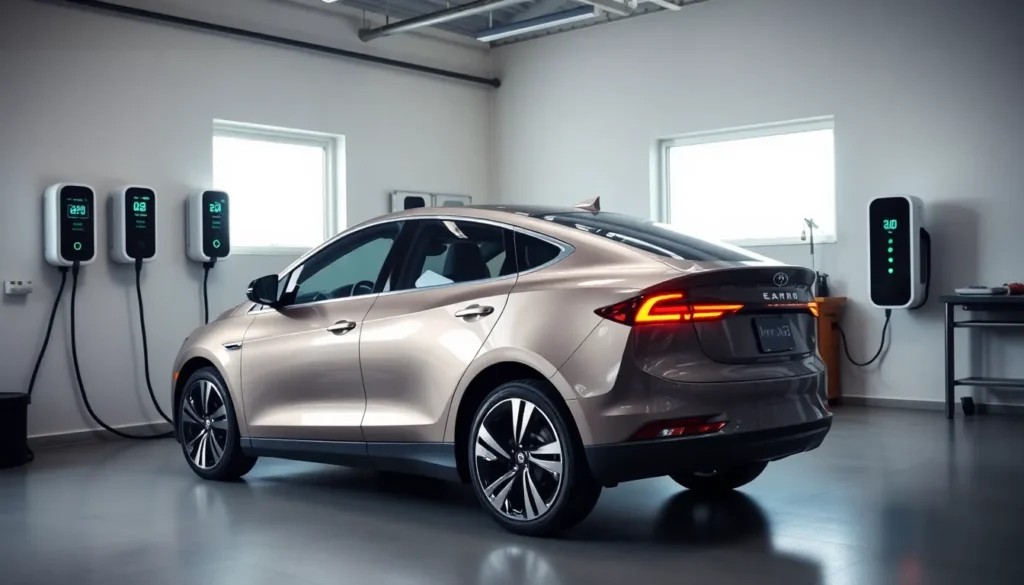

Electric vehicle techniques matter more than most new owners realize. The difference between a frustrating EV experience and a seamless one often comes down to a handful of practical methods. These electric vehicle techniques cover everything from battery care to driving habits that squeeze extra miles from every charge.
Owning an EV isn’t just about plugging in and pressing the accelerator. Smart owners learn specific strategies that extend battery life, reduce charging costs, and maximize range. This guide breaks down the essential electric vehicle techniques every driver should know, whether they just bought their first EV or want to get more from their current one.
Table of Contents
ToggleKey Takeaways
- Keep your EV battery between 20% and 80% for daily charging to extend battery life and reduce degradation.
- Smooth acceleration and driving at moderate speeds (65 mph vs. 75 mph) can boost your range by 15% or more.
- Master one-pedal driving and regenerative braking to recover energy and gain up to 10% more miles per charge.
- Use seat and steering wheel heaters instead of cabin heating to conserve battery power in cold weather.
- Maintain proper tire pressure monthly—under-inflated tires can reduce efficiency by 3-5%.
- These electric vehicle techniques help maximize range, lower charging costs, and keep your EV running efficiently year-round.
Understanding Battery Management and Charging Strategies
Battery management forms the foundation of effective electric vehicle techniques. How an owner charges their EV directly impacts battery longevity and daily performance.
Optimal Charging Levels
Most EV manufacturers recommend keeping the battery between 20% and 80% for daily use. This range puts less stress on lithium-ion cells compared to frequent full charges or deep discharges. Tesla, for example, explicitly advises owners to set their daily charge limit to 80% unless they need the full range for a trip.
Charging to 100% occasionally won’t damage the battery. But doing it every night accelerates degradation over time. Think of it like always sprinting, your legs can handle it, but they’ll wear out faster.
Choosing the Right Charger
Level 2 home chargers offer the best balance of speed and battery health. They deliver 20-30 miles of range per hour of charging, which covers most daily driving needs overnight.
DC fast chargers work great for road trips. But, frequent fast charging generates more heat, which can stress the battery. Most experts suggest limiting DC fast charging to 20% or less of total charging sessions.
Temperature Considerations
Batteries prefer moderate temperatures. Charging in extreme cold or heat reduces efficiency and can cause long-term damage. Many EVs now include battery preconditioning features that warm or cool the pack before charging begins. Using these features represents one of the smartest electric vehicle techniques available.
Maximizing Range Through Smart Driving Techniques
Range anxiety fades when drivers adopt proven electric vehicle techniques behind the wheel. Small adjustments in driving style can add 10-20% to an EV’s range.
Smooth Acceleration
Aggressive acceleration drains batteries quickly. EVs deliver instant torque, which makes jackrabbit starts tempting, but expensive in terms of range. Gradual acceleration uses energy more efficiently and reduces wear on drivetrain components.
Speed Management
Aerodynamic drag increases exponentially with speed. Driving at 65 mph instead of 75 mph can improve range by 15% or more on highway trips. This doesn’t mean crawling along, but maintaining steady speeds near the limit often beats racing above it.
Climate Control Efficiency
Heating and air conditioning consume significant battery power. Seat heaters and steering wheel heaters use less energy than cabin heating systems. Preconditioning the cabin while still plugged in saves range for the actual drive.
Many EVs offer “eco” modes that limit climate control power draw. These modes work well for mild weather and short trips where maximum comfort isn’t critical.
Route Planning
Planning routes that minimize elevation changes conserves energy. Going uphill requires more power, and while some energy returns on the downhill, the overall efficiency drops compared to flat routes. Navigation apps built into most EVs now optimize routes for efficiency automatically.
Regenerative Braking and Energy Recovery Methods
Regenerative braking stands out among electric vehicle techniques for its ability to recapture energy that would otherwise be lost. Understanding how to use it effectively makes a real difference in daily range.
How Regenerative Braking Works
When a driver lifts off the accelerator, the electric motor runs in reverse. This reversal turns kinetic energy back into electricity, which flows into the battery. The process also slows the vehicle, reducing wear on traditional friction brakes.
Most EVs allow drivers to adjust regenerative braking strength. Higher settings create more aggressive deceleration when coasting. Lower settings feel more like traditional cars.
One-Pedal Driving
Many EVs offer one-pedal driving mode. In this mode, strong regenerative braking brings the car to a complete stop without touching the brake pedal. Drivers who master one-pedal driving report significant range improvements, some claim up to 10% more miles per charge.
It takes adjustment. The sensation of the car slowing rapidly when you lift your foot feels strange at first. After a week or two, most drivers find it more intuitive than traditional two-pedal driving.
Maximizing Energy Recovery
Anticipating stops helps capture more energy. Coasting toward red lights and stop signs gives regenerative braking more time to work. Sudden braking relies more on friction brakes, which convert energy to heat instead of electricity.
Downhill driving showcases regenerative braking at its best. A full descent can add noticeable range as the system continuously recovers energy.
Seasonal Maintenance Techniques for Electric Vehicles
EVs require less maintenance than gas-powered cars, but seasonal care still matters. Proper maintenance techniques keep electric vehicles running efficiently year-round.
Winter Preparation
Cold weather reduces battery efficiency by 20-40%. Keeping the vehicle in a garage helps maintain battery temperature. If garage parking isn’t available, scheduling departure times allows the battery management system to warm the pack while still connected to power.
Winter tires improve both safety and efficiency. The softer rubber compounds grip better in cold conditions, which reduces wheel slip and wasted energy.
Summer Considerations
Heat degrades batteries faster than cold. Parking in shade or covered areas protects the battery pack from direct sunlight. Many EVs vent the battery when parked in hot conditions, which drains a small amount of charge but prevents damage.
Checking coolant levels matters more in summer. EV battery cooling systems work harder during hot weather, and low coolant reduces their effectiveness.
Year-Round Maintenance
Tire pressure affects range significantly. Under-inflated tires increase rolling resistance and reduce efficiency by 3-5%. Monthly pressure checks cost nothing and pay dividends.
Cabin air filters need replacement every 12,000-15,000 miles. Clean filters improve HVAC efficiency, which indirectly helps range.
Brake fluid still requires periodic changes even though reduced brake wear. Most manufacturers recommend replacement every two to three years regardless of mileage.